

For many property owners in northern Nevada, a well-functioning garage door is more than convenience. It’s part of everyday comfort, security, and routine. Whether you manage a business in Fallon or own a home in Reno, that door gets a workout with thousands of open-and-close cycles every year.
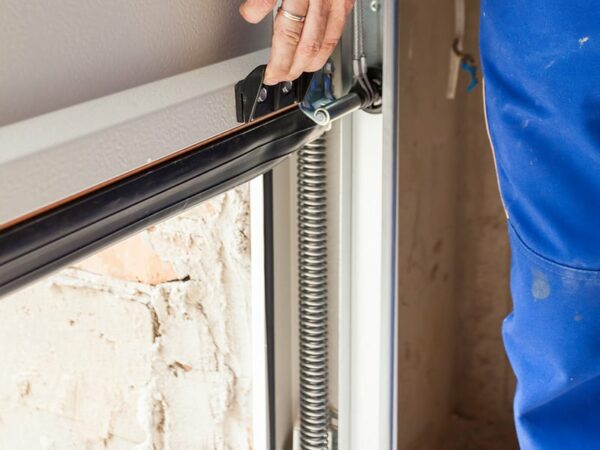
But behind that smooth motion lies a small hero you rarely notice: the garage door springs. These tightly wound coils do the heavy lifting every single day. When they’re working well, you barely think about them. When they’re not, the whole system feels the strain. And with Northern California and Nevada’s temperature swings from blazing summers to icy winters, springs can wear out faster than you expect.
Let’s take a closer look at the different types of garage door springs, how they function, and how regular maintenance keeps them safe and ready for daily use.
What are Garage Door Springs and How Do They Work?
What does a garage door spring do?
Its main job is to lift and lower the weight of your door. Most garage doors, whether for homes, shops, or schools, weigh between 100 and 400 pounds. The springs counterbalance that load, allowing the door to move smoothly with minimal effort. Without them, even an automatic opener like LiftMaster would strain or fail, and lifting the door manually would be nearly impossible.
These springs work as part of a system with cables and pulleys. When the door moves, the springs either store or release tension to control motion. The cables run through a drum or glide along horizontal tracks, managing the speed and balance of the door. If the existing spring breaks or loses tension, the system can become uneven, leading to noisy operation, jerky movement, or premature motor wear.
Types of Garage Door Springs: Overview
Whether it’s commercial or single-car garage doors, there are two main types of garage door springs: torsion springs and extension springs. Both handle the same task, lifting and lowering the door, but they do it in different ways.
- Torsion springs sit horizontally above the door and work by twisting. As the door moves, these springs wind and unwind, storing and releasing energy to balance the door’s weight.
- Extension springs stretch and contract. They run along the sides of the horizontal tracks, pulling the door up or letting it down as tension changes.
Most newer homes and high-use commercial spaces now use standard torsion spring garage doors because they offer smoother, safer, and longer-lasting performance. However, extension springs still appear in many older homes around Northern Nevada, especially on smaller or lighter doors.
Schedule Garage Door Spring Inspection Today
Different Types of Garage Door Springs Explained
Torsion Springs
A torsion spring garage door uses one or more tightly wound springs mounted on a metal shaft above the door opening. When the door closes, these springs twist and store mechanical energy. As the door lifts, they unwind and release that energy to counterbalance the weight.
Typical two-car residential garage doors rely on one or two springs, depending on their size and material. Torsion garage door springs usually last 15,000 to 20,000 cycles, equivalent to approximately 7 to 12 years of average household use.
Torsion springs tend to be popular because they offer smoother movement, fewer moving parts, and a reduced chance of the door falling unexpectedly during failure because the shaft keeps it supported. They’re especially effective for wide, heavy, or insulated doors, making them a smart choice for commercial properties and newer residential buildings across northern Nevada and California.
Extension Springs
Extension springs remain a familiar sight across Northern California and Nevada. You typically find them along each side of the garage door, mounted above the horizontal tracks. This setup is typically found in older garages built before the 2000s or in smaller commercial spaces.
These springs work by stretching when the door closes and contracting when it opens. They handle the load effectively but rely on more parts, like pulleys, cables, and brackets, which adds more potential wear points. Their average lifespan ranges from 8,000 to 15,000 cycles, or about 5 to 7 years, depending on how often the door operates and the surrounding conditions.
One clear advantage of extension springs is the cost. Torsion springs typically come with higher upfront costs, while extension springs are less expensive to install. However, they demand regular maintenance to stay balanced and safe. If a spring breaks, the door can drop suddenly, which is why every setup should include safety cables to contain the spring.
Upgrade to High-Quality Durable Springs
Garage Door Spring Maintenance Tips
Signs Your Springs Need Maintenance or Replacement
Recognizing early signs of garage door spring wear is critical for both safety and protecting the equipment.
Strange Sounds
Pay attention to unusual sounds such as loud creaks, pops, or grinding when the door opens or closes. These noises typically indicate tension loss or metal fatigue.
Uneven Lift
If the door lifts unevenly or one side moves faster, a spring may be weakening or broken. You might also notice the door sitting unevenly on the ground or small gaps appearing under one side when closed.
Slow, Abnormal Performance
Watch for slower garage door opener performance or jerky movement. This shows the springs are no longer supporting the door’s weight effectively, causing extra strain on the motor. Physical signs such as visible rust, stretched coils, or gaps between coils also point to wear.
Inoperability
A door that drops suddenly or refuses to open usually signals a broken spring, which poses serious safety hazards. In homes, schools, or commercial buildings where doors operate frequently, immediate spring replacement from a qualified garage door professional is the safest response.
Garage Door Spring Maintenance: Best Practices
Regular garage door spring maintenance keeps your system running smoothly and prevents major repairs. Most garage door springs need a monthly visual inspection, which includes looking for signs of rust, stretching, or worn coils. Listen for new noises like squeaks or grinding, as these typically signal friction or imbalance.
Lubrication
Lubricating garage door springs twice a year using a silicone-based lubricant also helps. But avoid household oil because it attracts dust and debris, which are common in Northern Nevada’s dry climate. Proper lubrication reduces friction, quiets movement, and helps the springs last longer.
Work with a Professional
Never attempt to adjust or replace springs on your own. These components are under heavy tension and can cause serious injury if handled incorrectly. This work should always be done by a qualified garage door professional with the right tools and training.
Documentation
If you’re a property manager or business owner, document each inspection in your maintenance records. This supports safety compliance and reduces legal liability. If you’re in Reno, Sparks, or Fallon, you can find high-quality lubricants and professional garage door repair service from local specialists familiar with regional conditions.
Book Professional Spring Replacement Service
Keep Your Garage Door Springs Safe and Reliable
Springs may be small, but they handle the hardest job in your garage door system. Whether you’re a homeowner in Fallon or managing commercial bays in Sparks, understanding how garage door springs work helps you maintain smooth, safe operation.
Watch for signs like unusual noises, uneven motion, or slow response, as these usually point to wear or imbalance. Regularly inspecting and lubricating garage door springs adds years of dependable service while preventing costly breakdowns.
For repairs or replacement springs, always rely on professionals with proper training and local experience. Thompson Garage Doors in Reno has served Northern Nevada and California since 1957. Our expert team can inspect, adjust, or replace your garage door springs safely, helping you keep your property secure and doors running reliably.
Send us a message today to get started.