


You don’t think about your garage door spring until it’s gone. One morning it’s there, doing its job. The next, there’s a sharp bang from the garage, and the door won’t move.
You’re standing there in work clothes, already running late, staring at 300 pounds of door that suddenly has no interest in going up.
We’ve been to this scene more times than we can count. And the conversation almost always starts the same way: “It was working fine yesterday.”
Here’s the thing. It probably wasn’t fine yesterday. It was just closer to the end of a countdown most homeowners don’t know is running. Your garage door spring has a finite lifespan measured in cycles. It explains nearly everything about when your garage door in Reno, NV will fail and what you can do about it before it does.
Let’s walk through it.
How Often Does the Average Garage Door Get Used?
The average American household opens and closes its garage door between three and five times per day. It sounds modest until you trace a typical family’s routine: out for work in the morning, back at lunch, out again for errands, home for the evening, plus a spouse’s separate trips and the weekend in-and-out.
For most families the garage door has become the primary entrance to the home. The front door is for guests. The garage is for living.
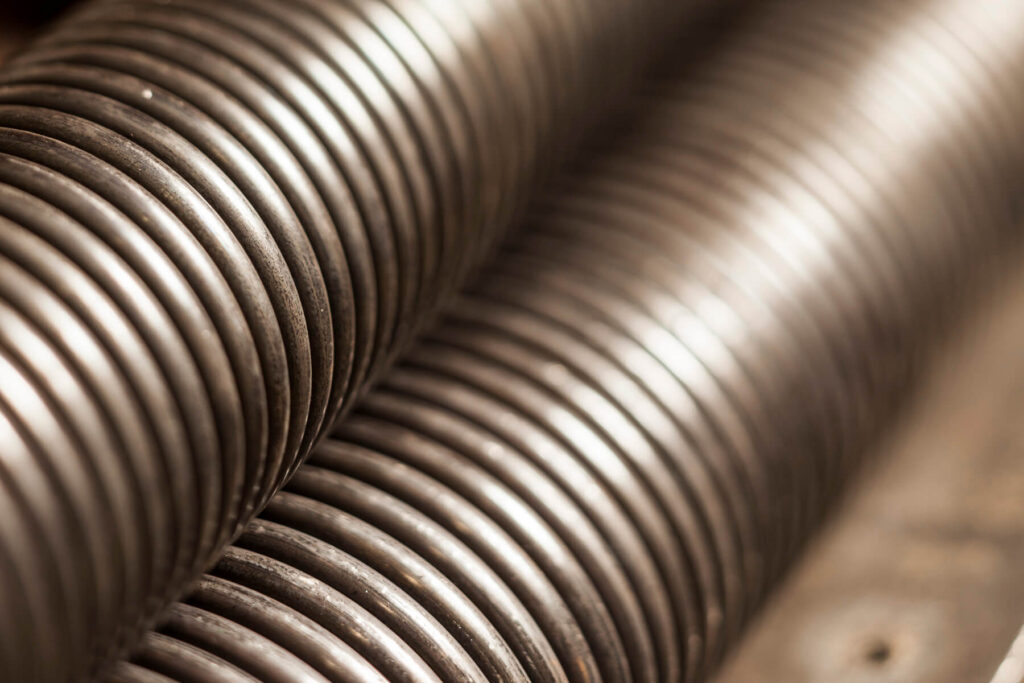
One full open-and-close counts as a single cycle. A household using the door four times a day racks up roughly 1,460 cycles a year without giving it a second thought.
But “average” hides a lot. Plenty of homes in Reno and Carson City run well past this number:
- Families with teen drivers. Two or three vehicles coming and going independently can push a door to eight or ten cycles a day.
- Homes where the garage is the only entrance used. If nobody touches the front door, every single arrival and departure runs through the garage.
- Detached garages and shops. Hobbyists, mechanics, and anyone running a side business out of the garage open the door far more than a typical commuter.
- Short-term rentals and multi-family setups. More people, more comings and goings, more cycles.
If your household lands in any of those categories, the standard parts a builder installed are almost certainly undersized for how you live. The gap is exactly why homeowners call us for Reno garage door repair after spring breaks sooner than they thought it should.
Book a Professional Garage Door Tune-Up Now
Garage door cycles per day: a realistic picture
Here’s roughly how daily usage translates into annual cycles, so you can find your own household on the chart.
| Daily use pattern | Cycles per day | Cycles per year |
| Light (single person, works from home) | 2 | ~730 |
| Average household | 3–4 | ~1,100–1,460 |
| Active family with multiple drivers | 6–8 | ~2,200–2,920 |
| Heavy use (home business, primary entrance, rental) | 10+ | 3,650+ |
The annual number is what you divide your spring’s rated lifespan by to predict failure. Keep it handy.
How Garage Door Springs Work — and Why They’re the Part That Fails
Your garage door is heavy. A standard double door weighs between 150 and 350 pounds depending on material. An insulated or solid-wood door can weigh considerably more.
The opener motor doesn’t lift this weight. The springs do.
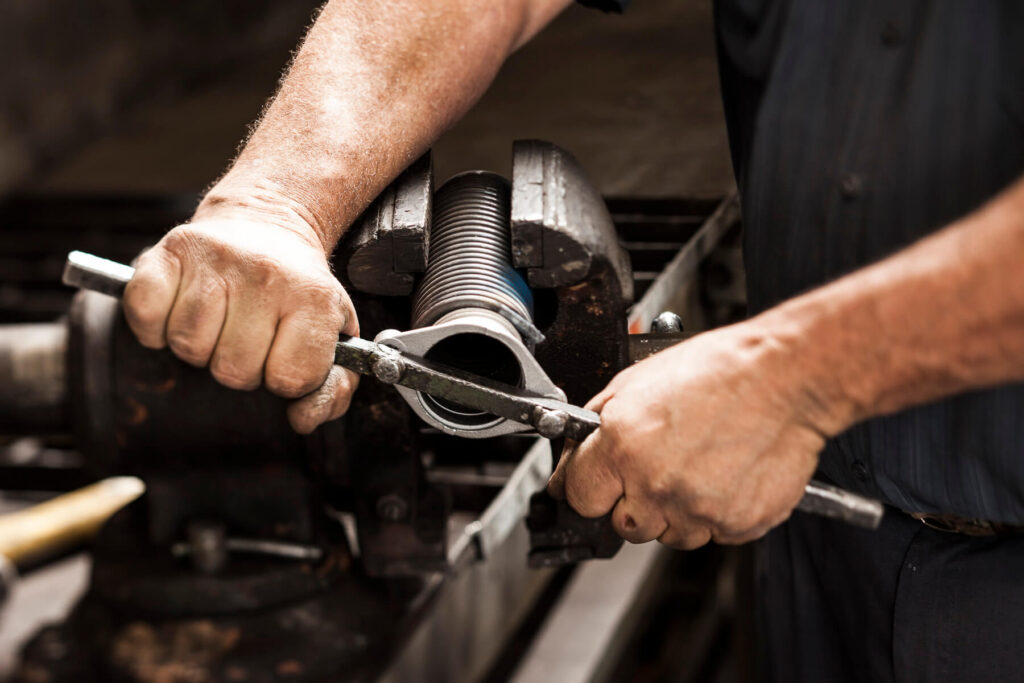
Torsion springs (the ones mounted on a metal shaft above the door) wind and unwind with every cycle, storing and releasing the energy that counterbalances the door’s weight. The opener just guides the door up and down. The spring is doing the heavy lifting, literally, every single time.
Metal that flexes under load thousands of times eventually fatigues and breaks. It’s physics, and a big reason why spring replacement is one of the most common garage door services Reno homeowners need.
Schedule Your Garage Door Safety Inspection Today
Garage Door Spring Lifespan: How Long Do Garage Door Springs Last?
Garage door springs are manufactured to a cycle rating: the number of full open-and-close cycles they’re engineered to survive before metal fatigue catches up. The builder-grade springs installed on most new homes are rated for 10,000 cycles. It’s the industry default and the cheapest option that gets a builder through the warranty period.
To turn this rating into a real lifespan, divide it by your annual cycle count.
- 10,000 cycles ÷ 1,460 cycles per year (average family) = about 7 years
- 10,000 cycles ÷ 2,920 cycles per year (active family) = about 3.4 years
- 10,000 cycles ÷ 3,650 cycles per year (heavy use) = under 3 years
The same spring lasts seven years for one household and under three for another. Lifespan isn’t a fixed number a manufacturer can print on a box. It’s your number, and it depends entirely on how you use the door.
There’s a Northern Nevada wrinkle worth adding, too. Our climate is hard on springs. The dramatic temperature swings between a 15-degree January night and a 95-degree July afternoon cause the metal to contract and expand repeatedly.
Cold mornings are when springs are under the most stress. We get our heaviest run of broken-spring calls during the first hard cold snap of the season every year. The cycle rating sets the baseline; our high-desert climate tends to push real-world failure toward the shorter end of the estimate.
How Long Will a 10,000-Cycle Spring Last?
Short answer: for a typical Reno or Sparks family opening the door three to four times a day, a 10,000-cycle spring lasts roughly seven years. For a busy household with multiple drivers using the garage as the main entrance, expect closer to three to four years. For a home shop or rental property, sometimes less.
If your home is around the seven-year mark and still on its original builder springs, you’re living on borrowed time. This is a good moment to schedule an inspection rather than wait for the bang.
Keep Your Garage Door Running Smoothly Longer
What Counts as Heavy Garage Door Use?
We generally classify usage like this, because the category determines which spring you should actually be running.
- Light use is roughly two cycles a day or fewer: a single person or couple who mostly uses the front door.
- Average use is three to five cycles a day. The standard family.
- Heavy use starts around six to eight cycles a day and climbs from there. You’re firmly in heavy-use territory if any of these describe you: multiple drivers on independent schedules, the garage is your home’s primary entrance, you run a business or workshop out of the garage, or the door serves a rental or multi-family property.
The trap is that heavy-use homes almost always come with standard 10,000-cycle springs, because the builder had no idea how the family would live. If you’re a heavy user on builder springs, you’ll likely face a replacement every few years until you upgrade.
Are High-Cycle Springs Worth the Investment?
For most of the homes we serve, yes, and the math makes the case better than any sales pitch.
High-cycle springs are rated well beyond the 10,000-cycle standard, commonly 20,000, 25,000, or even 33,000 cycles. They cost more up front, typically a modest premium over standard springs, but they don’t just last longer. They change the entire ownership equation.
Consider an active family running about 2,900 cycles a year:
- A 10,000-cycle spring lasts roughly 3.4 years, meaning multiple replacements (and multiple service calls) over a decade.
- A 25,000-cycle spring lasts roughly 8.5 years, often a single replacement for the same period.
Once you factor in that every replacement carries a service-call cost on top of the parts, the higher-rated spring frequently comes out cheaper over its lifetime. You’re paying once instead of three times. You also dramatically cut the odds of an inconvenient failure: fewer springs over the years means fewer freezing mornings stuck in the garage.
Our honest recommendation: if you’re a light user, standard springs are perfectly reasonable and high-cycle springs are a nice-to-have. If you’re an average-to-heavy user, or the garage is your main way in and out, upgrade to high-cycle springs the next time they’re replaced.
How Can I Extend the Life of My Garage Door Springs?
You can’t change the physics of metal fatigue, but you can keep your springs reaching their full rated lifespan instead of failing early.
Lubricate the springs twice a year. A light coat of garage-door-specific lubricant (not WD-40, which is a cleaner, not a lubricant) reduces friction and helps the coils move freely. Spring and fall is an easy schedule to remember, and the fall application matters most going into our cold season.
Keep the door balanced. A door that’s out of balance forces the springs to work harder than they were designed to. To test it, disconnect the opener and lift the door manually to about waist height. A balanced door stays put. If it slams down or flies up, the springs are mis-tensioned and worn prematurely. Do not attempt to DIY this fix: torsion springs under tension are genuinely dangerous.
Don’t ignore the warning signs. Springs rarely fail without notice. A door that suddenly feels heavy, jerks or hesitates on the way up, sits crooked, or shows a visible gap in the spring coil is telling you the end is near. Catching it during an inspection means a scheduled repair on your terms instead of an emergency call.
Schedule an annual tune-up. A yearly inspection catches balance problems, worn cables, and fatiguing springs before they strand you. For heavy-use homes especially, it’s the cheapest insurance you can buy.
Leave the high-tension work to professionals. Torsion springs store enormous energy, and a spring that lets go during an amateur repair can cause serious injury. Lubrication and the balance test are fine to do yourself. Adjusting tension or replacing a spring is not.
Frequently Asked Questions
How can I extend the life of my garage door springs?
Lubricate the springs twice a year with a garage-door-specific lubricant, keep the door properly balanced, address warning signs like jerking or heaviness early, and schedule an annual professional tune-up. Avoid DIY tension adjustments, as torsion springs under load are dangerous and should be serviced by a trained technician.
Are high-cycle springs worth the investment?
For average-to-heavy users, almost always yes. A high-cycle spring costs slightly more up front but typically lasts two to three times longer, which means fewer replacements and fewer service calls over the door’s life. Factoring in the service-call cost of each replacement, high-cycle springs frequently cost less over time. Light users can stick with standard springs without concern.
What is considered heavy garage door use?
Heavy use is generally six or more cycles per day. You’re a heavy user if you have multiple drivers on independent schedules, use the garage as your home’s main entrance, run a workshop or business from the garage, or the door serves a rental property. Heavy-use homes on standard springs typically face replacement every few years until they upgrade to high-cycle springs.
How long will a 10,000-cycle spring last?
For a typical family using the door three to four times daily, a 10,000-cycle spring lasts about seven years. For an active household at six to eight cycles a day, expect roughly three to four years. Northern Nevada’s temperature swings and cold winters tend to push real-world failure toward the shorter end of that range.
How many cycles do garage door springs last?
Standard builder-grade torsion springs are rated for 10,000 cycles. High-cycle springs are available at 20,000, 25,000, and 33,000-cycle ratings. The cycle rating is the number of full open-and-close cycles the spring is engineered to survive before metal fatigue causes it to break.
How many times is a garage door used per day on average?
The average household uses its garage door three to five times per day, which adds up to roughly 1,100 to 1,460 cycles per year. One full open-and-close equals a single cycle. Homes with multiple drivers or those that use the garage as the primary entrance often reach eight to ten cycles a day or more.
When to Call Thompson Garage Doors
If your door is groaning, hesitating, sitting crooked, or you’ve just heard an unmistakable bang, don’t keep operating it. Running a door on a broken spring can damage the opener and bend the tracks, turning a straightforward spring replacement into a much bigger repair.
Thompson Garage Doors has provided garage door services in Reno since 1957. We help with spring replacement, tune-ups, opener repair, new doors, replacement doors, and full garage door installation in Reno, NV.
We’ve served Reno, Sparks, Carson City, and the surrounding Northern Nevada communities since 1957, with a fleet of radio-dispatched trucks and 24/7 emergency service for exactly these situations. Whether you need a same-day spring replacement, an honest assessment of whether high-cycle springs make sense for your household, or just an annual tune-up to head off trouble, we’re here to help, whether we installed your door originally or not.
Stuck right now? Call us at 775.356.6601 and we’ll get a fully equipped service truck headed your way.