

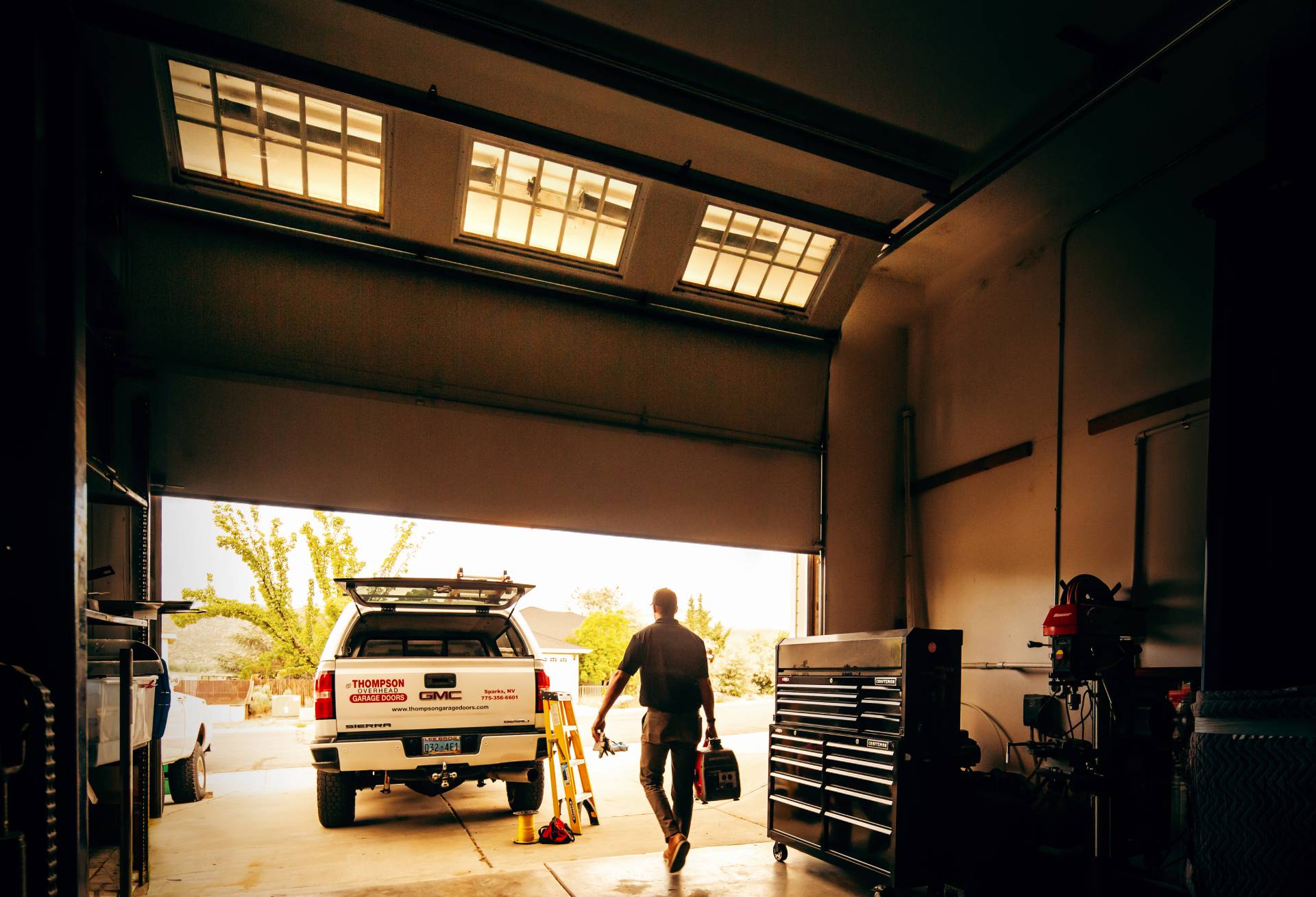
Your garage door moves more weight, more frequently, than almost anything else in your home. A single panel can tip the scales at several hundred pounds, and the whole assembly cycles up and down thousands of times a year on springs wound tight enough to do genuine harm if they let go.
It’s a lot of trust to place in hardware most of us glance at maybe twice a decade.
A garage door safety inspection changes the equation. It’s a structured, top-to-bottom review of the parts keeping the door lifting and stopping safely. Below, we’ll walk through what an inspection covers, the problems it tends to surface, and how to tell when it’s time to get one on the calendar.
What Is a Garage Door Safety Inspection?
A garage door safety inspection is a methodical evaluation of your door’s mechanical and safety systems, carried out to confirm the whole assembly opens, closes, and holds without risk.
Rather than waiting for a breakdown, the process treats the door as one connected system, checking how the springs, tracks, opener, and sensors perform together under real load.
The backbone of preventive garage door maintenance: fixing the small anomalies on your terms instead of the door’s.
A professional safety inspection:
- Prevent accidents and unexpected breakdowns before a worn part fails at the worst possible moment.
- Identify worn or damaged components while they’re still cheap and simple to address
- Ensure safe and reliable operation every time the door cycles, day or night.
How Frequently Should a Garage Door Be Inspected?
How frequently your door needs attention boils down to how hard it works throughout the year. Keeping a steady schedule is what makes its performance predictable from one season to the next.
- Most homes do well with an annual inspection, which keeps the door’s warranty intact and its safety features in good standing.
- High-use doors call for more frequent checks, especially in busy households where the door cycles a dozen times a day.
- Consistent upkeep pays off over the long run, delivering fewer surprises and steadier performance season after season.
Settling into a consistent schedule is more important than the exact interval you choose.
What Does a Garage Door Technician Inspect?
A skilled garage door technician moves through the door in a set order, tracing the mechanical chain from the springs up top down to the sensors near the ground.
A problem in one spot tends to pull the surrounding parts down with it, and rushing past a step can leave the true source of trouble hidden. Here is everything a careful garage door inspection covers.
Spring and Cables
Carrying the door’s entire weight, the springs and cables earn the first and most safety-critical look of the visit.
- Wear and corrosion are inspected up close, since rust and pitting slowly strip the springs of their lifting strength.
- Tension and balance are measured, because a spring pulling unevenly loads extra stress onto everything else.
- Cables are reviewed for fraying or damage, as one weakening strand can give way without warning.
Keeping these parts in good shape holds the whole door steady and safe to run.
Rollers, Hinges, and Tracks
Because these components steer the door’s travel, even small faults here show up as rough, noisy operation.
- Rollers are studied for flat spots and worn bearings that stop them from turning freely.
- Loose hardware is identified and logged, since bolts and brackets shake loose across thousands of cycles.
- Track alignment is confirmed so the door slides cleanly rather than dragging or catching.
- Lubrication is evaluated, because dry contact points raise friction and hasten wear.
Guide parts kept in good order are what allow a heavy door to move silently and evenly.
Garage Door Opener
The opener manages the lifting on demand. Hence, its condition shapes how reliable the door feels from one day to the next. A technician runs it through its paces rather than trusting a single cycle, since problems here typically surface when the motor is doing work.
- Motor performance is put through a real load test, rather than a hollow trial run.
- The drive system is examined for slack or wear, whether it uses a belt, chain, or screw.
- Remotes and the wall control are verified to confirm steady, responsive behavior.
A sound opener keeps routine use smooth and worry-free.
Safety Sensors and Auto-Reverse System
At this closing stage, a garage door technician confirms the systems designed to protect people and property are working exactly as intended. Because these features rarely get tested in day-to-day life, a professional puts them front and center before wrapping up the visit.
- Photo-eye sensors are checked for clean alignment and an unbroken signal.
- The auto-reverse feature is tested to confirm the door retreats the moment it hits resistance.
- Modern safety compliance is reviewed, so an aging opener is not coasting on outdated protections.
These safeguards mark the line between a near miss and a real injury.
What Happens During a Garage Door Tune-Up?
Once a technician knows what is dragging, drifting, or working loose, a garage door tune-up restores the door to smooth, balanced operation. You can fold into a full garage door sale, repair, and service visit in Reno for one efficient stop, and the difference tends to show the very next time the door cycles.
Lubrication of Moving Parts
Friction is the enemy of any garage door. A thorough garage door tune-up begins by treating every point where metal meets metal. The hinges get lubricated to make sure the panels flex and fold without protest, and the rollers are coated to help them spin cleanly rather than scrape along the track.
The springs receive a treatment to reduce friction and slow the pace of metal fatigue, while the bearings are lubricated to keep the whole assembly turning freely.
Tightening Hardware
Thousands of cycles shake fasteners loose over time. A technician works methodically to bring everything back to spec. Bolts are snugged back into place after months of steady vibration, brackets are resecured wherever they have begun to work themselves free, and track fasteners are tightened to hold the alignment firm and steady.
Proper hardware keeps the door stable and stops small rattles from growing into big problems.
Door Balance and Alignment Test
The final step confirms all the earlier work pays off in smooth, even travel from open to close. A manual balance check reveals whether the springs are carrying their fair share of the load, while a few opening and closing runs confirm the door moves without hesitation or strain.
Where needed, track alignment adjustments correct any drift causing the door to bind. A well-balanced door protects the opener and extends the life of every moving part.
Common Problems Found During a Garage Door Inspection
Most doors do not fail out of nowhere. They telegraph trouble for weeks or months first. A careful garage door inspection is where those early hints get caught and logged before they escalate. These are the culprits a technician turns up most frequently during a routine garage door inspection and safety review.
Worn Springs
Springs bear the heaviest load of any component. They tend to show wear first and demand the closest attention. As they weaken, lifting power fades, and the door begins to feel heavier and slower than it should.
The lost strength moves straight to the opener, forcing the motor to compensate and shortening its life. Catching a tired spring early spares you a much larger repair down the road.
Damaged Rollers and Hinges
Since these parts move constantly, damage here quickly reveals itself in how the door sounds and behaves. Worn rollers and hinges bring on rising noise, and the movement itself turns uneven as the door fights against its own hardware. Replacing these failing components restores the smooth, quiet operation you expect.
Misaligned Tracks
Tracks guide the entire door. Even a slight shift out of line disrupts the whole system. Correcting alignment early keeps a minor drift from becoming a major failure.
Faulty Safety Sensors
Sensor faults are incredibly risky. In some cases, the door reverses unexpectedly, backing off with nothing in its path, and in others it fails to reverse when obstructed: the exact hazard a safety review exists to prevent. Reliable sensors are the last line of defense between routine use and a genuine accident.
Why Preventive Garage Door Maintenance is Important
Consistent garage door maintenance is about staying ahead of the curve. A little routine attention keeps a manageable issue from snowballing into a weekend-ruining failure, and it protects the single largest moving object in your home. Over time, preventive garage door maintenance pays for itself.
Reduce Repair Costs
Small problems are cheap to fix, but ignored ones rarely stay small for long. Regular attention catches minor wear early, before it cascades into a costly, multi-part repair.
You can also sidestep the premium price tag of urgent emergency garage door repair in Reno, NV, where after-hours service almost always costs more than a scheduled visit.
Improve Safety
A door this heavy and this tightly wound deserves systems you can genuinely trust. Routine garage door maintenance keeps family members, pets, and vehicles protected from a door prone to slamming or stalling, and it confirms that every safety feature fires exactly when it is supposed to. Dependable safeguards give everyone in the household one less thing to worry about.
Extend the Life of Your Garage Door
Regular care lightens the daily burden on the parts most prone to wear. With less strain on the springs and opener, the whole system faces fewer breakdowns and adds years of reliable service, while overall performance stays sharp and closer to how the door ran when it was new. A little attention today is what buys you a longer, smoother lifespan tomorrow.
Schedule Your Safety Inspection
When Should You Schedule a Garage Door Safety Inspection?
Timing a garage door safety inspection well means you are maintaining rather than repairing. Some inspections belong on the calendar as a matter of routine, while others get triggered by what the door is telling you. A well-timed garage door safety check tends to fall into three clear windows.
Annual Preventive Maintenance
For most homes, a once-a-year rhythm strikes the right balance between vigilance and effort. An annual visit keeps warranty coverage and safety features in good standing, and it gives a technician a regular chance to spot slow-building wear.
Early spring or fall works especially well, since scheduling ahead of the sharp temperature swings takes pressure off the hardware before the toughest stretches arrive. Booking it at the same time each year is what makes the habit easy to keep.
Warning Signs You Shouldn’t Ignore
Sometimes the door asks for help directly. Unusual noises surfacing during operation, slow or jerky movement replacing the smooth travel you are used to, and a door that will not stay balanced when stopped all point to trouble partway underneath. Visible damage to the springs, cables, or rollers is an even clearer cue. Any one of these should prompt a call before a small fault turns serious.
After Severe Weather or Heavy Use
Certain conditions put extra stress on the system and justify an off-schedule look. Temperature changes expand and contract the metal parts, loosening what was once snug, while high-cycle household use wears components faster than average.
A post-storm inspection is also wise after exposure to wind, debris, or moisture, and if the damage runs deep, it may be worth reviewing your residential garage door in Reno options. A prompt check after these events keeps minor stress from causing damage.
Book a Garage Door Inspection
Why Choose a Professional Garage Door Technician?
Plenty of homeowners are handy, and staying observant between visits genuinely helps. Even so, a trained garage door technician brings tools, judgment, and hard-won experience to the parts of the system where guesswork gets expensive or dangerous.
Expert Diagnosis
Experience is what separates spotting a symptom from pinpointing its actual cause. A professional arrives with specialized tools and the know-how to read them, which lets them locate faults a casual look would miss entirely.
Just as important, they surface the hidden issues early, before a small problem has the chance to spread into something larger. Accurate diagnosis is the foundation of every repair worth doing.
Safe Repairs and Adjustments
Some parts of a garage door are simply too risky to manage without proper training. High-tension springs carry the most hazardous load on the entire door, and a pro handles them safely and correctly rather than by trial and error.
The same care applies to the moving parts, which get adjusted to precise specifications instead of rough approximation. Leaving this work to a professional protects both your door and yourself.
Peace of Mind
Beyond the mechanics, professional care delivers the confidence of a job done right: the same assurance you would want behind any garage door installation in Nevada. You get reliable operation every time the door cycles, a longer equipment lifespan that stretches the value of your investment, and a reduced risk of the sudden failures that catch homeowners off guard.
Frequently Asked Questions
How long does a garage door inspection take?
Most inspections run between 30 and 60 minutes, though the exact time depends on the door’s size, age, and overall condition. A well-maintained door moves quickly, while one showing wear naturally calls for a closer, longer look.
What is included in a garage door safety inspection?
A full inspection covers the springs, cables, rollers, hinges, and tracks, along with the opener and safety sensors. The technician also runs a balance test and reviews the entire system against current safety standards before signing off.
How often should I schedule a garage door tune-up?
Once a year suits the majority of households and keeps every moving part in reliable shape. Homes with heavy daily use, however, benefit from a check every six months to stay comfortably ahead of accelerated wear.
Can I perform a garage door safety check myself?
You can absolutely watch and listen for warning signs like odd noises or jerky movement. Anything involving the springs or cables, though, should stay with a professional, since the high tension makes hands-on repairs genuinely dangerous.
How much does a garage door inspection cost?
Pricing for a garage door inspection varies by provider, location, and the scope of the visit. In nearly every case, it remains a modest expense: far cheaper than the major repair a missed problem tends to become.
Why is preventive garage door maintenance important?
Preventive maintenance catches small problems while they are still simple and inexpensive to fix. It keeps your safety systems dependable, eases the strain on key components, and extends the working life of the entire door over the years.
Request a Safety Inspection
Final Thoughts
A garage door safety inspection is far more than a routine box to tick. It is a proactive way to surface hidden problems, sharpen your safety systems, and add years to the life of the entire door. Staying consistent with inspections and tune-ups helps you head off costly repairs, dodge unexpected breakdowns, and keep the door running smoothly all year long.
Protect your home and family with a professional garage door safety inspection from Thompson Garage Doors. Our experienced technicians provide comprehensive inspections, tune-ups, and preventive maintenance throughout Reno and Sparks to keep your garage door operating safely and reliably. Schedule your inspection today.